Silverfort has launched a native integration with Microsoft Copilot Studio designed to apply runtime access control to AI agents. Rather than focusing solely on prompt-level guardrails, the integration aims to enforce identity-based controls and real-time decisions at the point of execution.
The company is positioning the update as a shift from content-based security to access-based security. According to Silverfort, this includes visibility through what it calls “Radical Human Attribution,” combined with inline enforcement that can allow or block agent actions as they attempt to interact with enterprise systems.
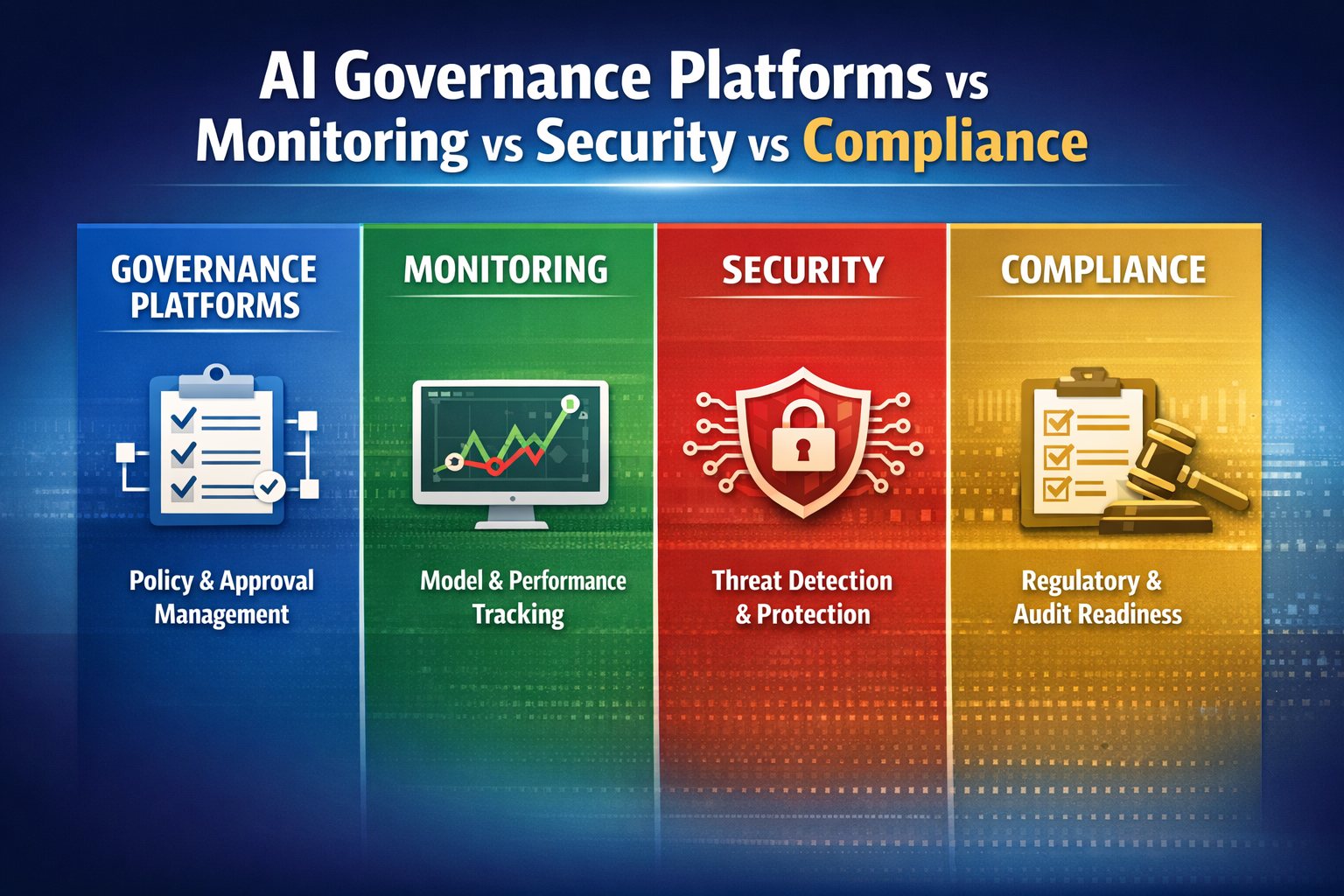
For governance teams, the move highlights a growing distinction between two different layers of control. Prompt guardrails and output filtering can reduce certain risks during generation, but they do not address whether an agent should be permitted to take a specific action in the first place. By embedding controls deeper into the execution path inside Microsoft’s agent platform, Silverfort is targeting the runtime boundary where agent behavior becomes operational.
The integration reflects an increasing focus among vendors on closing the gap between agent capability and enforceable accountability — particularly in environments where agents are granted access to sensitive systems and data. Whether this model proves effective at scale will depend on how well it handles complex permission structures and how organizations choose to define the boundaries of agent authority.
Conditions Driving Demand for Runtime Access Control in AI Agents
Enterprises are rapidly deploying autonomous AI agents inside Microsoft 365 environments through platforms like Copilot Studio, often granting them broad access to sensitive systems without corresponding runtime controls.
Existing security approaches remain heavily focused on prompt-level guardrails and content filtering, which fail to address the core risk of what an agent is actually permitted to do once it begins executing tasks.
Many organizations continue to rely on static permissions and overly broad service accounts for AI agents, creating significant over-privilege risks that traditional identity tools were not designed to manage.
The shift toward agentic workflows has exposed a structural gap between an agent’s ability to take action and the organization’s ability to enforce real-time boundaries around those actions.
Microsoft’s growing ecosystem of low-code and pro-code agent development tools has accelerated agent deployment speed, often outpacing the governance and security controls needed to manage them safely.
Security and governance teams are increasingly being held accountable for AI-driven actions they cannot fully observe or control in real time, particularly when agents interact with critical business systems.
Current agent security solutions frequently stop at visibility or post-action auditing, leaving organizations without the ability to prevent unauthorized or high-risk actions before they occur.
Regulatory expectations around AI accountability are rising, placing pressure on enterprises to demonstrate not just that they monitor AI systems, but that they can enforce boundaries on autonomous behavior.
The volume of AI agents operating with human-like or elevated privileges inside enterprise environments has created new attack surfaces that legacy security architectures were not built to address.
Many organizations lack clear ownership and defined response protocols for agent-initiated actions, making it difficult to assign accountability when something goes wrong during execution.
Prompt injection and manipulation attacks continue to demonstrate that content-level controls alone are insufficient when agents have the ability to take real actions across connected systems.
As enterprises move from experimental copilots to production-grade autonomous agents, the limitations of visibility-only and guardrail-only approaches are becoming operationally and financially unsustainable.
What AI Agent Security Looked Like Before
Before solutions like Silverfort’s integration with Microsoft Copilot Studio emerged, AI agent security was largely built around prompt-level controls and post-action visibility. Most organizations relied on guardrails that monitored or filtered what an agent could say or generate, rather than what it was allowed to do. These controls were useful for reducing certain types of prompt injection and output risks, but they offered little protection once an agent moved beyond generation and began taking real actions across enterprise systems.
Security teams typically depended on static permissions and broad service accounts to give agents access to the tools and data they needed. Because these permissions were rarely tied to specific identities or real-time context, agents often operated with excessive privileges that were difficult to monitor or revoke. Visibility tools existed in many environments, but they were mostly reactive. Organizations could see what an agent had done after the fact, but they had limited ability to intervene while an action was in progress.
This created a fundamental mismatch. As agents became more autonomous and were granted access to sensitive systems such as ERP platforms, financial databases, and internal communication tools, the security model remained rooted in traditional application security thinking. Controls were applied at the input and output layers, while the execution layer — where agents actually interacted with business systems — remained largely ungoverned. The result was a growing gap between an agent’s capability to act and an organization’s ability to enforce meaningful boundaries around those actions in real time.
What AI Agent Security Looks Like Now
The integration of runtime access control solutions, such as Silverfort with Microsoft Copilot Studio, represents a meaningful shift in how AI agent security is being approached. Instead of focusing primarily on what an agent generates, security is now being applied at the point where an agent attempts to take action. This includes real-time evaluation of whether a specific action should be allowed, based on identity, context, and defined policies.
This model introduces inline enforcement capabilities that can block or allow agent actions as they occur, rather than relying solely on detection after the fact. By tying agent behavior to identity through approaches like Radical Human Attribution, organizations gain clearer visibility into which agent — or which user on behalf of whom the agent is acting — is attempting to perform an operation. This makes it possible to apply more granular and context-aware controls across hybrid environments.
The broader change is a move from visibility-first and guardrail-heavy approaches toward execution-boundary controls. Security is no longer limited to monitoring what an agent says or produces. It now extends to governing what an agent is permitted to do within connected systems. While this approach is still maturing and remains most advanced within specific ecosystems like Microsoft, it reflects a growing recognition that agentic AI requires security architecture that operates at the runtime layer, not just at the prompt layer. This shift is beginning to close the long-standing gap between agent capability and enforceable accountability.
Our Take
AI Security Take
Silverfort’s integration with Microsoft Copilot Studio marks a meaningful, if still early, shift in how AI agent security is being approached. For years, most organizations treated agent security as an extension of generative AI security — focusing heavily on prompt guardrails, output filtering, and content-level controls. While these measures can reduce certain risks during generation, they do little to address the actual moment when an agent attempts to take action inside enterprise systems.
This integration reflects a growing recognition that agentic AI requires a different security model. Once an agent has the ability to read from databases, write to systems, trigger workflows, or interact with external tools, the primary risk is no longer what it says, but what it is allowed to do. Runtime access control — evaluating and enforcing permissions at the point of execution — is fundamentally different from monitoring or filtering content. It moves security closer to the principle of least privilege in real time, rather than relying on broad, static permissions that are difficult to audit or revoke.
However, this development also exposes how far most enterprises still are from having mature agent security programs. Many organizations continue to deploy agents with overly permissive access because existing identity and access management systems were not designed for non-human, autonomous actors. Without clear execution boundaries and runtime enforcement, visibility tools alone cannot prevent an agent from taking actions it should not be authorized to perform.
The real test will be whether organizations treat solutions like this as a technical add-on or as part of a broader shift toward defining and enforcing what agents are actually permitted to do. Prompt guardrails and post-action monitoring are no longer sufficient on their own. Agent security now requires controls that operate at the execution layer — where capability meets consequence.