Linx Security has launched a new product called Agentic Access Control, aimed at solving one of the most persistent problems in enterprise AI adoption: the lack of real-time control over what autonomous agents are actually allowed to do.
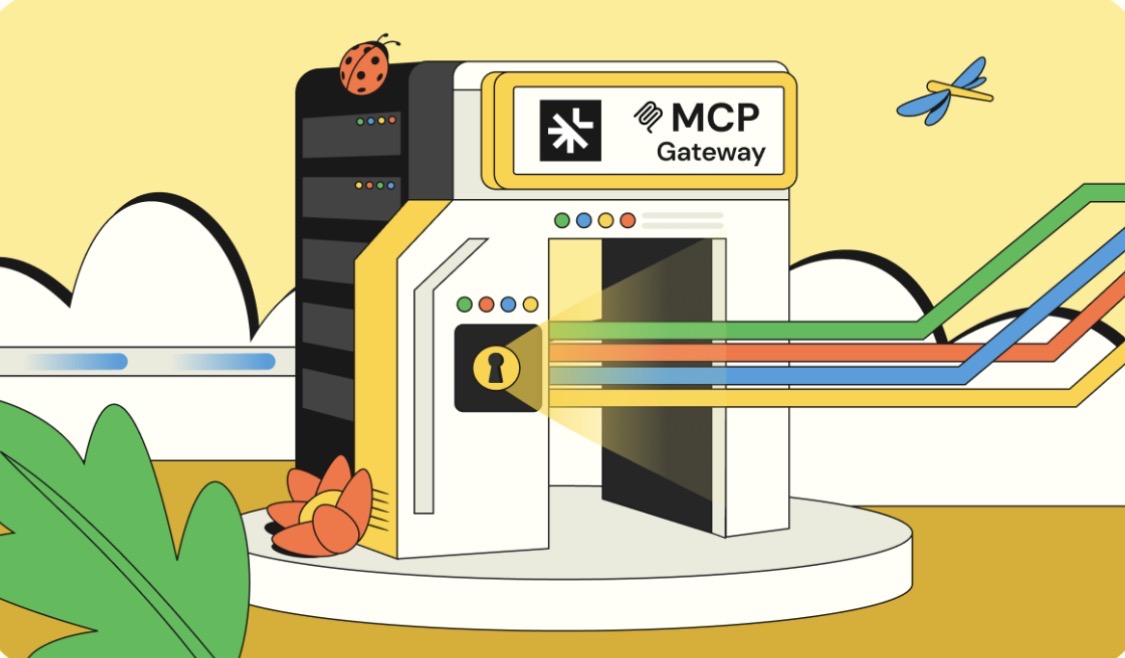
The solution functions as an MCP Gateway that sits between AI platforms and enterprise systems. Instead of relying solely on monitoring or post-action reviews, Linx inspects every tool call an agent makes and evaluates it against policy in real time. Actions can be approved, blocked, or escalated before they are executed. The system also maintains a complete audit trail that ties each action back to the full identity chain — including the human user, non-human identity, access profile, and specific action attempted.
This approach moves governance closer to the point of execution. Rather than treating AI agents as standard service accounts or relying only on visibility tools, Linx applies tool-level permissions and policy enforcement that can be mapped to roles, teams, or personas. The goal is to give organizations the ability to define and enforce boundaries around agent behavior without slowing down legitimate workflows.
The announcement reflects a growing recognition that visibility and monitoring alone are no longer sufficient as more enterprises move AI agents into production environments with real permissions and access to internal systems.
Conditions Driving the Change
Most organizations still rely on visibility and monitoring tools that only show what an AI agent did after the action has already taken place, leaving no opportunity to prevent harmful or unauthorized behavior in real time.
AI agents are increasingly being granted broad permissions to interact with enterprise systems, including the ability to read sensitive data, update records, trigger workflows, and call external APIs, often without clear boundaries on what they are allowed to do.
Traditional identity and access management systems were designed for human users and static service accounts, not for autonomous agents that can make dynamic, context-dependent decisions and chain multiple actions together without human intervention.
The gap between an agent’s capability to act and an organization’s ability to control those actions continues to widen as more teams deploy agents into production environments with real access to internal tools and data.
Security and governance teams are struggling to keep up with the speed and volume of agent-driven activity, as existing review processes and approval workflows were never built to handle decisions that occur at machine speed across hundreds or thousands of daily interactions.
Many enterprises lack a clear ownership model for AI agent permissions, resulting in overly permissive access that is difficult to audit, revoke, or restrict once agents are actively operating in live systems.
High-profile incidents involving compromised or misbehaving agents have demonstrated that the absence of runtime controls can lead to rapid data exposure, unauthorized system changes, and cascading operational failures that are difficult to contain after the fact.
Regulatory expectations around accountability and auditability are increasing, yet most current governance approaches cannot produce reliable, real-time evidence of what an agent was permitted to do versus what it actually attempted to do.
The rise of agentic workflows that involve multiple tools and systems has made it increasingly complex to maintain consistent policy enforcement, as permissions granted at one layer can be exploited or misused across connected platforms without centralized runtime oversight.
Organizations are realizing that post-action monitoring and logging, while necessary, are insufficient on their own to manage risk, as they provide visibility into problems without offering a mechanism to stop them before damage occurs.
What AI Agent Governance Looked Like Before
Before solutions like real-time access control emerged, most organizations managed AI agent permissions through traditional identity and access management systems that were never designed for autonomous actors. Agents were typically treated as service accounts or given broad, static permissions that allowed them to access multiple systems with little oversight. Governance largely depended on manual reviews, periodic access audits, and post-action monitoring tools that could only show what an agent had already done after the fact.
This approach created significant blind spots. Security and governance teams often lacked visibility into which specific tools an agent was using or what actions it was taking in real time. When agents operated across multiple connected systems, it became difficult to enforce consistent boundaries or understand the full scope of their activity. Many organizations relied on logging and alerting systems that flagged issues only after sensitive data had already been accessed or workflows had already been triggered.
The lack of pre-execution controls meant that governance was reactive rather than preventive. If an agent attempted to perform an unauthorized action, there was usually no mechanism to stop it before the action occurred. Instead, teams were left to investigate incidents after damage had already been done. This model worked reasonably well when AI usage was limited to copilots and low-risk tasks, but it quickly became unsustainable as organizations began deploying more autonomous agents with real operational responsibilities.
Overall, governance in this earlier stage was fragmented, slow, and heavily dependent on human intervention, leaving enterprises exposed as agent adoption accelerated.
What AI Agent Governance Looks Like Now
Today, leading approaches to AI agent governance are shifting toward real-time enforcement at the point of action. Instead of relying solely on monitoring and after-the-fact reviews, organizations are implementing systems that can inspect, evaluate, and control agent behavior before any action is executed. This includes the ability to define specific tool-level permissions and apply policies that determine whether an agent is allowed to proceed based on identity, context, and risk level.
Modern solutions now function as enforcement layers that sit between AI platforms and enterprise systems. Every tool call can be evaluated in real time against defined policies, allowing organizations to approve, block, or escalate actions before they take effect. This creates a much tighter control loop compared to traditional monitoring-only models.
There is also greater emphasis on identity-aware governance. Rather than treating agents as generic service accounts, organizations are mapping permissions to specific roles, teams, or personas while maintaining full audit trails that capture who initiated the request, what action was attempted, and what the outcome was. This level of traceability supports both operational security and compliance requirements.
The result is a more proactive governance model. Instead of discovering problems after they occur, organizations can now prevent unauthorized or high-risk actions from happening in the first place while still allowing legitimate agent workflows to operate efficiently.
Our Take
AI Governance Take
Linx’s introduction of real-time access control for AI agents highlights a necessary shift that most organizations have been slow to make. For too long, enterprise teams have treated AI agent governance as an extension of traditional monitoring and visibility tools. While these tools can show what an agent did after the fact, they do little to prevent an agent from taking actions it should not be allowed to perform in the first place.
The core problem is that AI agents are not standard service accounts. They can chain multiple actions together, operate at machine speed, and make decisions across connected systems without constant human oversight. When organizations continue granting agents broad permissions and rely primarily on logging and alerts, they create a significant gap between what agents are capable of doing and what the organization can actually control.
Real governance at this stage requires enforcement at the point of execution. This means having the ability to evaluate and approve or block specific agent actions in real time, based on defined policies and identity context. Without this layer, governance remains reactive and incomplete. Organizations may discover problems through monitoring, but they often lack the ability to stop them before they occur.
Linx’s approach reflects a broader realization that agentic AI cannot be governed effectively through visibility alone. As more enterprises move agents into production with real operational access, the difference between organizations that can enforce boundaries at runtime and those that cannot will become increasingly important. The shift from monitoring to enforceable control is no longer optional for teams serious about managing agent risk.