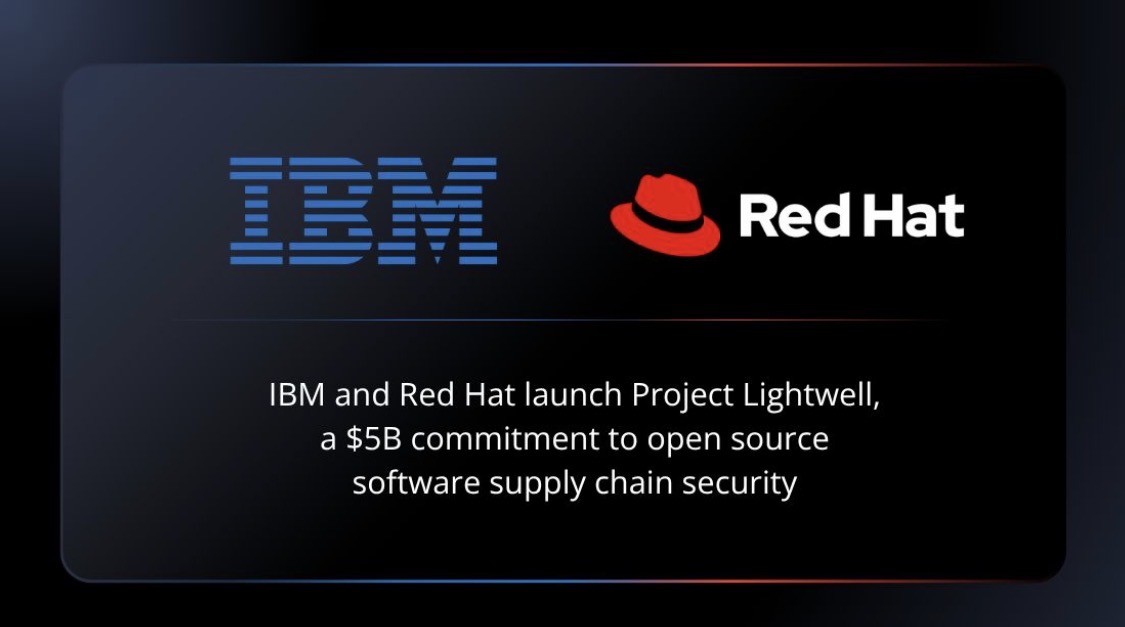
IBM and Red Hat have unveiled a significant $5 billion investment commitment over the next ten years to drive the next generation of open source innovation tailored to artificial intelligence. This strategic move positions both companies to play a central role in shaping how enterprises build, deploy, and govern AI systems using open technologies.
The funding will support advancements across several key areas, including next-generation cloud-native platforms, AI model development and optimization tools, enhanced security and compliance capabilities, and improved developer experiences for AI workloads. Red Hat’s open source leadership, combined with IBM’s enterprise AI expertise and hybrid cloud infrastructure, creates a powerful foundation for addressing the complex challenges organizations face when scaling AI.
This announcement comes as enterprises grapple with growing demands for transparent, interoperable, and governable AI solutions. Many organizations are concerned about vendor lock-in, model transparency, and the ability to maintain control over AI systems built on rapidly evolving technologies. By doubling down on open source, IBM and Red Hat aim to provide the foundational building blocks that support greater choice, auditability, and long-term sustainability in enterprise AI deployments.
The investment reflects a broader industry recognition that open source will be critical to responsible AI scaling. It signals strong confidence in collaborative development models even as AI capabilities become more strategic and regulated. For CISOs, governance leads, and platform architects, this commitment could translate into more robust open tools for model governance, runtime security, and compliance — areas that remain significant pain points in current AI initiatives.
Key Terms
Open Source AI: Collaborative development of AI-related technologies, models, frameworks, and platforms under open licenses to promote transparency, interoperability, and community-driven innovation.
Hybrid Cloud Platforms: Infrastructure that combines private, public, and edge environments, with Red Hat OpenShift playing a central role in enabling consistent AI deployment across these environments.
AI Model Development Tools: Open source resources for building, training, fine-tuning, and optimizing large language models and agentic systems.
Enterprise AI Governance: Tools and frameworks that help organizations manage risk, compliance, auditability, and security when deploying open source AI components at scale.
Red Hat OpenShift: The Kubernetes platform central to Red Hat’s strategy, positioned as a foundation for running AI workloads consistently across hybrid environments.
Conditions Driving This Change
Enterprises are rapidly scaling AI initiatives but face challenges with vendor lock-in, model transparency, and maintaining control over critical AI infrastructure.
The open source community has become a primary driver of AI innovation, yet many organizations struggle to operationalize these technologies securely and compliantly at enterprise scale.
Regulatory frameworks like the EU AI Act are increasing demands for auditability, risk management, and explainability in AI systems.
Hybrid and multi-cloud architectures dominate enterprise IT, requiring consistent platforms that work seamlessly across environments.
Security and governance concerns around AI models, agents, and data pipelines have intensified as these systems gain access to sensitive information and business processes.
Developer teams increasingly prefer open source tools for flexibility and speed, pushing organizations to invest in ecosystems that support both innovation and control.
Major technology providers recognize that proprietary-only approaches risk losing ground to community-driven AI development.
The complexity of agentic AI systems requires robust foundational platforms that can support runtime governance, observability, and security at scale.
Organizations need trusted partners who can bridge open source innovation with enterprise-grade reliability and support.
Long-term investment in open source signals confidence in collaborative models as the sustainable path for responsible AI advancement.
What AI Governance Looked Like Before
Prior to this announcement, enterprises pursuing large-scale AI initiatives often faced a fragmented open source landscape. Many organizations mixed proprietary AI platforms with loosely integrated community-driven tools. While open source projects drove innovation in areas like Kubernetes, model frameworks, and libraries, there was limited coordination around enterprise-grade support, long-term maintenance, and governance standards.
Security and governance teams frequently managed inconsistent environments. Some workloads ran on proprietary stacks with limited transparency, while others depended on community projects that lacked robust auditing, compliance pathways, or centralized policy enforcement. This created ongoing challenges in maintaining consistent controls across hybrid cloud setups.
Platform and tooling fragmentation added complexity. Teams used different distributions, model serving solutions, and observability tools depending on the provider or workload. As agentic and multi-model systems grew, these inconsistencies made it harder to enforce governance policies, track provenance, and demonstrate compliance. Many leaders worried about both vendor lock-in and the risks of ungoverned open source components.
What AI Governance Looks Like Now
With IBM and Red Hat’s $5 billion, 10-year commitment, enterprises gain a stronger foundation for open source AI governance. The investment targets improvements in hybrid cloud platforms like Red Hat OpenShift, AI development tools, security capabilities, and governance frameworks designed for enterprise scale.
Organizations can now expect more cohesive, well-supported open source solutions. This includes better integration for consistent deployment, monitoring, and policy enforcement across environments. The focus on governance tools should help teams establish clearer audit trails, model transparency, and compliance controls.
For governance leads, this signals a more mature ecosystem. Instead of piecing together disparate projects, companies may soon have access to integrated, enterprise-backed open source stacks that balance innovation with the reliability and controls needed for production AI. The commitment strengthens the bridge between community-driven development and the structured governance enterprises require.
Our Take
AI Governance Take
IBM and Red Hat’s $5 billion, 10-year commitment to open source in the AI era is a significant development for enterprise governance. By directing substantial resources toward hybrid cloud platforms, AI tooling, security, and governance capabilities, the two companies are working to strengthen the foundational layers that organizations need to scale AI responsibly.
This investment matters because many enterprises currently face difficult choices between proprietary platforms that offer control but risk lock-in, and fragmented open source components that provide flexibility but often lack enterprise-grade support and governance features. A well-funded, coordinated effort to improve open source AI infrastructure could help close that gap.
For governance, compliance, and security teams, the focus on consistent platforms like Red Hat OpenShift, combined with tools for model transparency and runtime controls, offers a more sustainable path forward. Stronger open source foundations can improve auditability, reduce dependency on single vendors, and support the kind of interoperability that complex agentic systems require.
The announcement reinforces a broader truth: responsible AI at enterprise scale depends heavily on healthy, well-supported open source ecosystems. Organizations that want to maintain control while moving quickly will benefit from platforms and tools that combine community innovation with the reliability and governance capabilities that production environments demand.
This commitment deserves close attention from platform architects and governance leads. It represents a meaningful attempt to align open source development priorities with the real operational and compliance needs of large enterprises.