Enterprise buyers have started asking SaaS vendors a new question during procurement reviews: what AI systems are actually running inside your product?
For many startups, the answer is not as clear as it should be. Development teams move quickly, experimenting with APIs, model providers, and third-party AI tools while building features. Over time those integrations accumulate. A model might power a small feature, an SDK might pull in another provider behind the scenes, or an early prototype might remain embedded in production code. Months later, when a procurement team asks for documentation about the system, nobody inside the company has a complete map of what is actually running.
Those questions are becoming more common as enterprises grow more cautious about AI risk. Procurement teams now include AI governance sections in vendor questionnaires, asking companies to document which models they use, how data flows through those models, and what frameworks guide their risk controls. Many SaaS companies discover the gap only when those questions arrive.
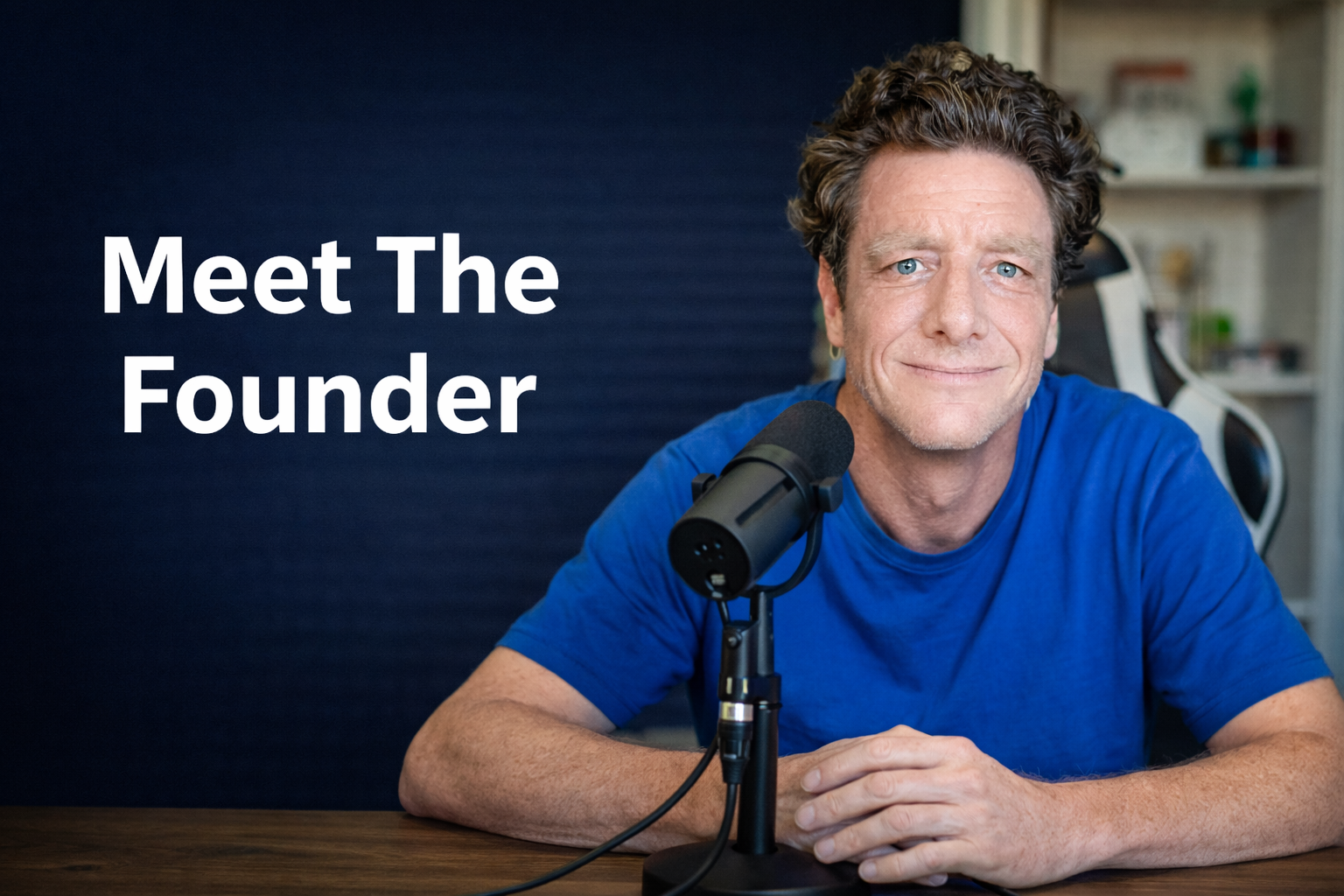
Mike Carroll noticed that gap early and decided to build something around it.
Who Is Mike Carroll
Mike Carroll did not arrive at this problem from the startup world. He spent more than thirty years working inside enterprise IT and security environments where vendor security reviews and compliance assessments are routine parts of doing business. As a CISSP practitioner, he spent much of that time watching procurement teams ask increasingly detailed questions about the technology vendors rely on.
That experience shapes how he looks at AI adoption today. Startups often focus on building new capabilities first and documenting systems later. Procurement teams take the opposite approach. Before a contract is approved they want to know what technology powers the product, how it handles data, and whether the vendor understands the risks inside the system.
In 2026 Carroll founded SaaSVista to solve that visibility problem.
What SaaSVista Actually Does
SaaSVista begins with a step many startups have never done formally: scanning the codebase to identify every AI provider, model integration, and SDK used across the product.
The scan often surfaces dependencies the founding team did not realize existed. A developer might have tested a provider during an early feature experiment. A third-party library might contain an embedded model service. Over time those pieces accumulate until the company has an AI footprint that nobody has fully documented.
SaaSVista maps those findings against governance frameworks such as NIST AI RMF, ISO 42001, and the EU AI Act. The company then produces a risk and compliance report that SaaS vendors can send directly to enterprise buyers asking AI governance questions.
Behind the process is an assessment engine Carroll calls TORI, which performs the risk and control mapping that turns a raw code scan into a structured compliance report.
Instead of leaving companies with a generic checklist, SaaSVista provides a customer-ready brief explaining the AI systems discovered and how they align with governance frameworks, along with a 30-60-90 day action plan outlining what changes would improve compliance readiness.
Companies trying to understand these requirements often begin by researching AI compliance platforms and governance tools, a category that continues to grow as enterprise buyers ask more questions about how AI systems operate.
The Problem In Mike’s Own Words
Most of them are just building so fast they don’t even know what they’re using — so we tell them.
— Mike Carroll; Founder, SaasVista
That sentence describes the situation many startups face once enterprise procurement teams start asking detailed questions about the technology running inside their product.
Why This Matters Right Now
Enterprise procurement has become one of the main forces shaping how AI is adopted inside software products. Large companies already require vendors to complete security and compliance questionnaires before contracts are approved. Over the past year those questionnaires have begun including detailed sections about AI systems.
Buyers want to know which models power product features, whether customer data flows through those models, and how the vendor manages the risks associated with those systems. Governance frameworks such as the NIST AI Risk Management Framework encourage organizations to document how AI systems are built, evaluated, and monitored.
Regulation adds additional pressure. The EU AI Act requires companies operating certain categories of AI systems to demonstrate risk management practices and documentation around how those systems operate. Even companies outside Europe increasingly encounter these expectations when selling software to large organizations.
For fast-moving startups the challenge is simple. The product was built before anyone asked them to map the AI stack.
Where SaaSVista Is Today
SaaSVista is still early in its development. The company is currently pre-revenue and working with design partners while the product evolves.
Carroll has intentionally delayed building the full dashboard until he gathers feedback from companies facing these procurement questions in real situations. The readiness assessment process already exists, including the code scanning and reporting engine, but the long-term platform will be shaped by how early partners use the system.
The idea came from observing a real gap inside enterprise procurement workflows rather than designing a platform first and searching for a problem later.
The Ask
SaaSVista is currently looking for design partners.
The ideal partners are SaaS companies with 5 to 50 employees that are building AI features and selling to enterprise customers. Many of these companies are already receiving AI governance or security questionnaires during procurement reviews and struggling to answer them with clear documentation.
Companies that participate in the design partner program go through SaaSVista’s readiness sprint. The platform scans the codebase, identifies every AI provider and model in use, maps those findings against governance frameworks, and produces a customer-ready compliance report plus a 30-60-90 day remediation plan.
Startups interested in participating can request the readiness sprint at ai.saasvista.io or connect with Mike Carroll directly on LinkedIn.
Our Take
GetAIGovernance covers the companies and technologies helping organizations govern AI responsibly. SaaSVista is working on a problem most of the market has not fully recognized yet, which makes it exactly the kind of early signal worth watching.