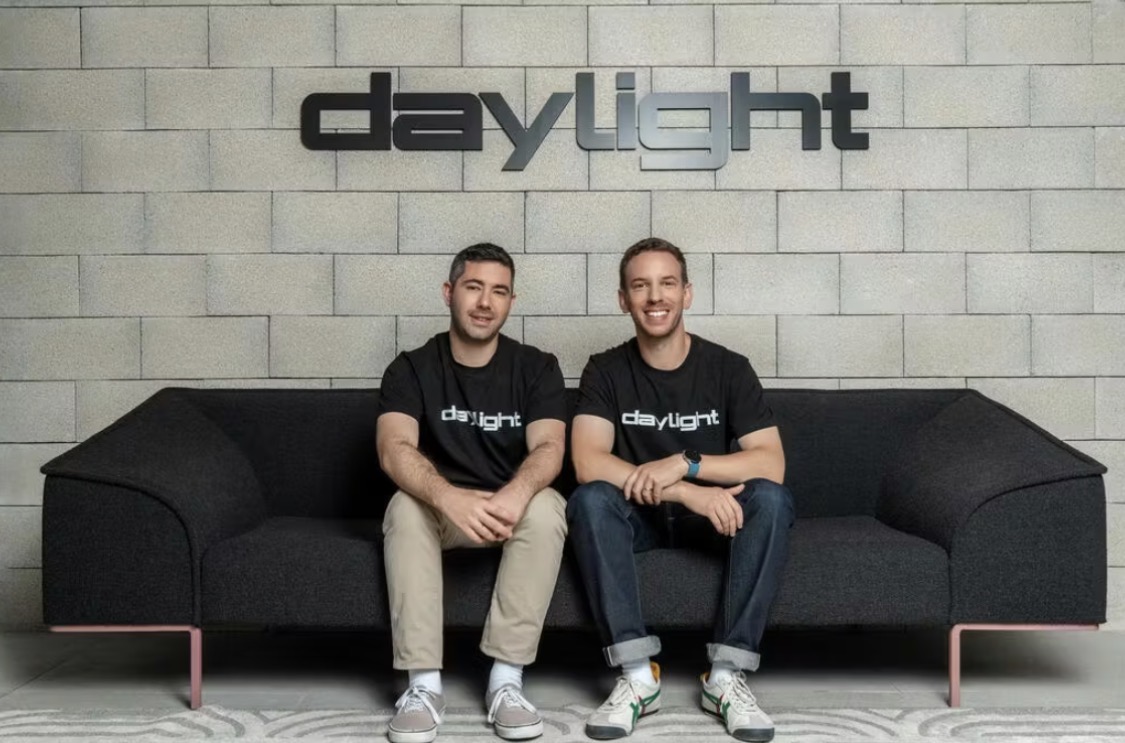
Daylight has extended its Managed Detection and Response (MDR) capabilities to Anthropic’s Claude Enterprise platform, responding to increasing enterprise concerns around AI security risks as organizations deploy more powerful models and autonomous agents.
The expansion allows Daylight to provide specialized monitoring, threat detection, and response services tailored to Claude’s usage patterns, prompt interactions, and agentic workflows. This move comes as CISOs and security teams report rising pressure to secure frontier AI systems that are being integrated into core business processes.
“As AI security risks become an enterprise priority, organizations need dedicated visibility and response capabilities for the platforms they rely on most,”
“Extending our MDR services to Claude Enterprise is a direct response to customer demand for stronger protection around their most sensitive AI deployments.”
Said Daylight spokesperson
The announcement reflects a broader trend: enterprises are no longer treating AI security as an afterthought. With powerful models like Claude being used for high-stakes tasks, organizations are seeking expert-managed services that combine AI-native threat detection with human-led response.
Key Terms
Managed Detection and Response (MDR): A specialized security service that combines advanced monitoring, threat detection, investigation, and response capabilities, delivered by expert teams on behalf of the customer.
Claude Enterprise: Anthropic’s enterprise-grade offering of the Claude AI model, used by organizations for high-stakes productivity, coding, analysis, and increasingly agentic workflows.
AI Security Risks: The growing set of threats associated with frontier AI models and agents, including prompt injection, data leakage, unauthorized actions, and model misuse.
Agentic AI Security: Security practices specifically designed for autonomous AI agents that can plan, use tools, and execute actions with limited human supervision.
Frontier AI Platforms: Advanced AI systems (such as Claude, GPT-4o, Gemini, etc.) that are being integrated into core enterprise operations.
These terms reflect the evolving intersection of traditional security services and the unique challenges posed by powerful AI platforms.
Conditions Driving This Change
Enterprises are rapidly expanding their use of frontier AI models like Claude for mission-critical tasks, increasing both business value and security exposure.
The rise of agentic AI workflows — where models don’t just answer questions but take actions and use tools — has created new attack surfaces that traditional security tools were not designed to handle.
CISOs and security teams are under growing pressure from boards and regulators to demonstrate active protection and response capabilities for AI systems, especially in regulated industries.
Many organizations lack the specialized expertise or bandwidth to monitor and respond to AI-specific threats in real time, leading to increased demand for managed services.
Prompt injection, data exfiltration, and unauthorized agent actions have moved from theoretical risks to real incidents, forcing enterprises to seek more sophisticated detection and response solutions.
Anthropic’s Claude Enterprise has seen strong adoption in large organizations, creating a clear market need for dedicated MDR coverage tailored to its architecture and usage patterns.
The overall AI security market is maturing quickly, with buyers moving from basic guardrails to comprehensive, expert-managed programs that combine technology and human response.
Competitive pressure among AI security vendors is driving rapid expansion of capabilities to cover the most widely used frontier models and platforms.
What AI Security Looked Like Before
Before specialized MDR services for frontier AI platforms like Claude Enterprise, organizations relied on a patchwork of general security tools and basic configurations. Most teams used standard endpoint protection, cloud security posture management, and generic SIEM rules to monitor AI usage. These tools were not designed for the unique behaviors of large language models or agentic workflows.
Visibility was often limited to high-level metrics such as login attempts, API call volume, or network traffic. There was little insight into what users were prompting the model, what data was being processed, or whether agents were taking unauthorized actions. Prompt injection attempts, data leakage through clever outputs, and subtle policy violations frequently went undetected because traditional security tools lacked context about AI-specific risks.
Response capabilities were equally challenged. When suspicious activity was flagged, security teams often lacked the domain expertise to quickly understand whether it was a legitimate AI use case or a real threat. Investigations were manual and time-consuming, and many organizations simply accepted elevated risk when deploying powerful models like Claude for critical tasks. This created a significant gap between the rapid adoption of frontier AI and the security controls needed to protect it.
What AI Security Looks Like Now
With Daylight’s expanded MDR capabilities for Claude Enterprise, organizations now have access to specialized, AI-native security monitoring and response tailored specifically for Anthropic’s enterprise platform. The service provides dedicated visibility into prompt interactions, agent behavior, data handling patterns, and potential misuse that generic security tools typically miss.
Security teams can now benefit from expert-led detection and response that understands the unique risks of frontier models — from prompt injection attempts and data exfiltration techniques to anomalous agent actions. Daylight’s MDR offering includes continuous monitoring, threat hunting, incident response, and actionable intelligence specifically calibrated for Claude’s architecture and usage patterns.
This represents a meaningful evolution from broad, one-size-fits-all security approaches to more targeted, model-aware protection. Enterprises using Claude for high-stakes workloads can now apply professional-grade detection and response without needing to build an entire in-house AI security team from scratch. The service helps bridge the gap between rapid AI adoption and the operational security capabilities required to manage those systems responsibly.
Our Take
AI Security Take
Daylight’s expansion of Managed Detection and Response (MDR) services to Claude Enterprise is a clear sign that AI security is maturing as a specialized discipline. As frontier models like Claude move into core enterprise workflows, organizations need more than basic guardrails — they need expert monitoring, rapid response, and deep platform-specific knowledge.
This development highlights an important reality: securing powerful AI systems requires both strong foundational architecture and professional operational capabilities. MDR services tailored to specific AI platforms help fill the expertise gap many security teams currently face.
For CISOs and security leaders, this announcement reinforces that AI security can no longer be treated as an extension of traditional cybersecurity. It demands dedicated focus, specialized tooling, and experienced response teams who understand how these models actually behave in production environments.