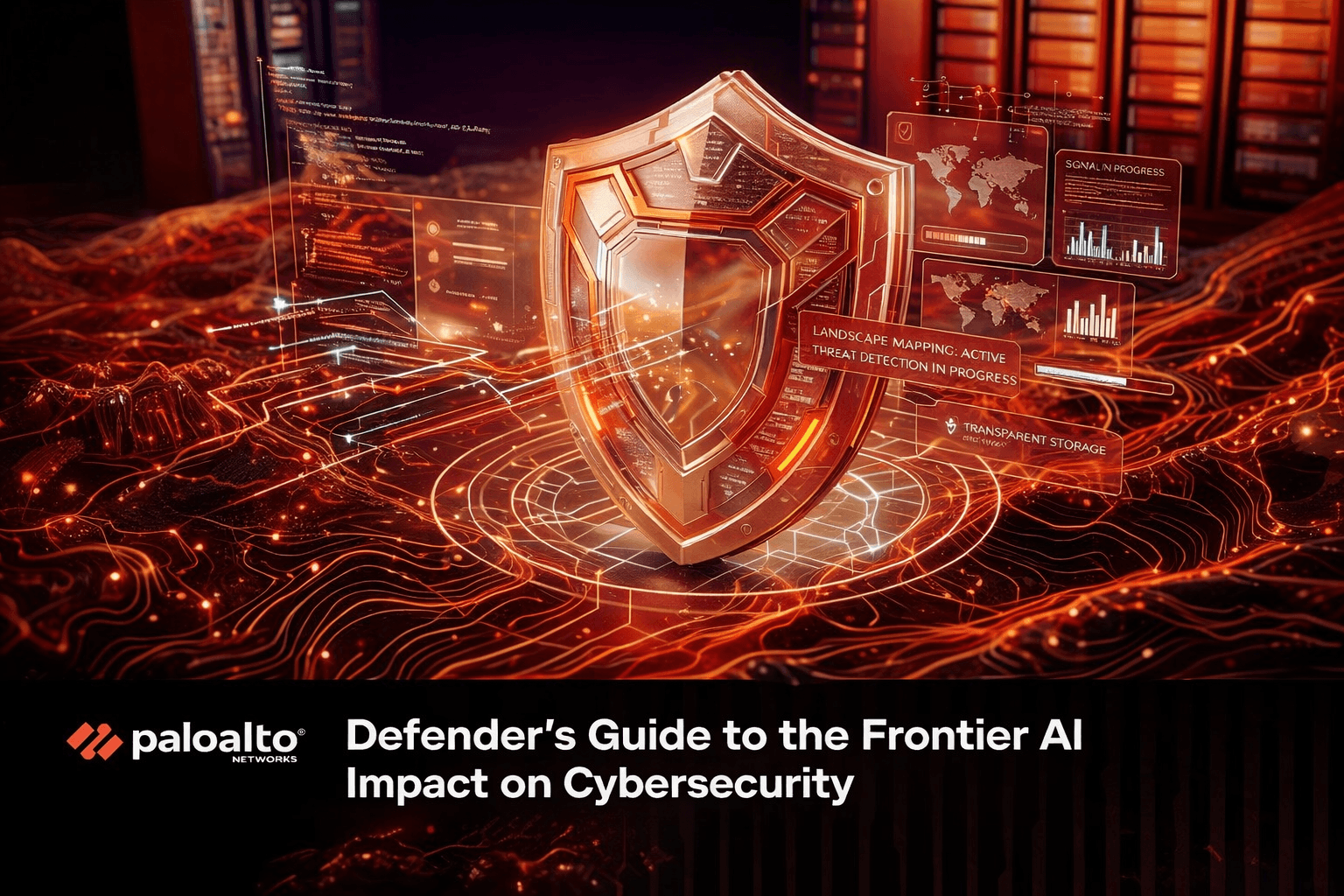
Palo Alto Networks launched Unit 42 Frontier AI Defense on April 17, 2026. The new service uses the latest frontier AI models together with Unit 42 consultants to run exposure analysis, deliver autonomous security blueprints, and guide agentic defense transformation across your entire environment.
It comes with six months of complimentary access to Cortex XDR, Cortex Xpanse, and Koi Agentic Security for qualifying customers. The goal is straightforward: give defenders the same frontier AI firepower attackers are already using so they can find and fix exposures before the bad guys weaponize them.
The timing is no accident. Frontier models now automate vulnerability discovery and chaining in near real time. Attack timelines that used to take days or weeks now compress to minutes. Palo Alto Networks is telling organizations the window to prepare is still open — but it is closing fast.
This service is not another scanner or slide deck. Consultants run frontier models against your infrastructure, applications, code, identity, and cloud environments. They validate real attack paths, rank them by risk, and hand you a prioritized roadmap you can execute immediately.
The bigger picture is clear. AI is no longer just a productivity tool. It is the biggest security inflection point since enterprises moved to the cloud. Palo Alto Networks is betting the defender who uses frontier AI at the point of exposure wins.
Key Terms
Unit 42 Frontier AI Defense: New Palo Alto Networks service combining frontier AI models with Unit 42 consultants.
Frontier AI Exposure Analysis: AI-driven assessment of vulnerabilities, misconfigurations, and attack paths.
Autonomous Security Blueprint: Prioritized roadmap with architectural and operational changes.
Agentic Defense Transformation: Shift to real-time, AI-powered operations across discovery, triage, and response.
Koi Agentic Security: Palo Alto Networks’ agentic endpoint security solution included in the six-month access.
Conditions Driving This Change
Frontier AI models have handed attackers a massive speed advantage. They can discover vulnerabilities, chain exploits, and operate autonomously in ways human-led teams cannot match. Palo Alto Networks is responding by turning that same technology back on the attackers.
Frontier AI models now automate vulnerability discovery and chaining in near real time.
Attack timelines have compressed from days or weeks down to minutes or seconds.
Traditional vulnerability management tools cannot keep pace with AI-driven reconnaissance.
Enterprises face exploding attack surfaces from agents, copilots, and shadow AI deployments.
The EU AI Act’s next phase takes effect in August 2026 and demands technical controls for high-risk AI systems.
Defenders need more than alerts — they need prioritized, actionable blueprints they can execute immediately.
Manual processes and legacy tools create gaps that AI-powered attackers exploit within minutes.
Security teams lack the bandwidth to test every new exposure created by frontier models.
Organizations want one engagement that delivers both analysis and a clear transformation plan.
The window to prepare for weaponized frontier AI is still open — but closing fast.
The industry finally admitted the obvious. You cannot defend against frontier AI with yesterday’s tools.
What AI Security Looked Like Before
Six months ago most teams still relied on the same tired cycle. Run a scanner, get a massive CVE list, argue for weeks about which ones actually matter, then patch what you can. The tools told you something was weak. They never told you if it was reachable right now by an AI-driven attacker.
Exposure analysis was manual, slow, and incomplete. Consultants ran red-team exercises that took weeks and still missed the latest frontier-model techniques. Blue teams got long reports full of findings but no clear, prioritized roadmap they could action the same day.
Agentic workloads made everything worse. Agents chain actions across systems at machine speed. One compromised library or misconfigured identity could trigger a workflow before anyone saw the alert. Traditional perimeter and signature-based tools sat too far upstream to stop it.
Buyers ended up with multiple vendors, multiple consoles, and a stack that still let novel attacks slip through. The demo always looked impressive. Production proved the gaps were bigger than the sales slides admitted.
What’s Changing Now
Palo Alto Networks flipped the script with Unit 42 Frontier AI Defense. The service uses the latest frontier AI models alongside Unit 42 offensive expertise and real threat telemetry from tracking hundreds of adversary groups. Consultants run targeted exposure analysis across infrastructure, applications, code, identity, and cloud environments. They validate actual attack paths that frontier models would take and rank them by real risk instead of theoretical CVSS scores.
Then they deliver an Autonomous Security Blueprint — a prioritized, actionable roadmap with specific architectural, operational, and control changes you can start implementing the same week. Finally, they guide Agentic Defense Transformation so your security operations run at machine speed instead of human speed.
The package includes six months of complimentary access to Cortex XDR, Cortex Xpanse, and Koi Agentic Security. That gives teams immediate runtime visibility and blocking at the endpoint where agents actually execute. The whole engagement is designed to move from analysis to implementation fast instead of leaving you with another 200-page report that collects dust. You get clear findings, a blueprint, and the tools to close the gaps before attackers weaponize the same models.
Our Take
AI Security Take
Palo Alto Networks just made a practical move that every enterprise security team should study. Frontier AI is already here and reshaping defenses right now. Teams that use frontier AI for defense stay ahead. Unit 42 Frontier AI Defense shows the right direction: combine frontier models with expert consultants and runtime controls at the endpoint. Exposure analysis, autonomous blueprints, and agentic transformation are the baseline for staying ahead.
If your agents or production models already touch sensitive systems, this is the kind of service that turns insight into actual protection. The window is still open. Head over to the GAIG marketplace right now and compare Unit 42 Frontier AI Defense against the other platforms that solve the same problem. You’ll see exactly which ones deliver real endpoint governance and runtime blocking today.